Streaming vs. Non-Streaming AI Responses: Building Lightning-Fast Chat Interfaces That Users Love

The Hidden Performance Killer in Your AI Application
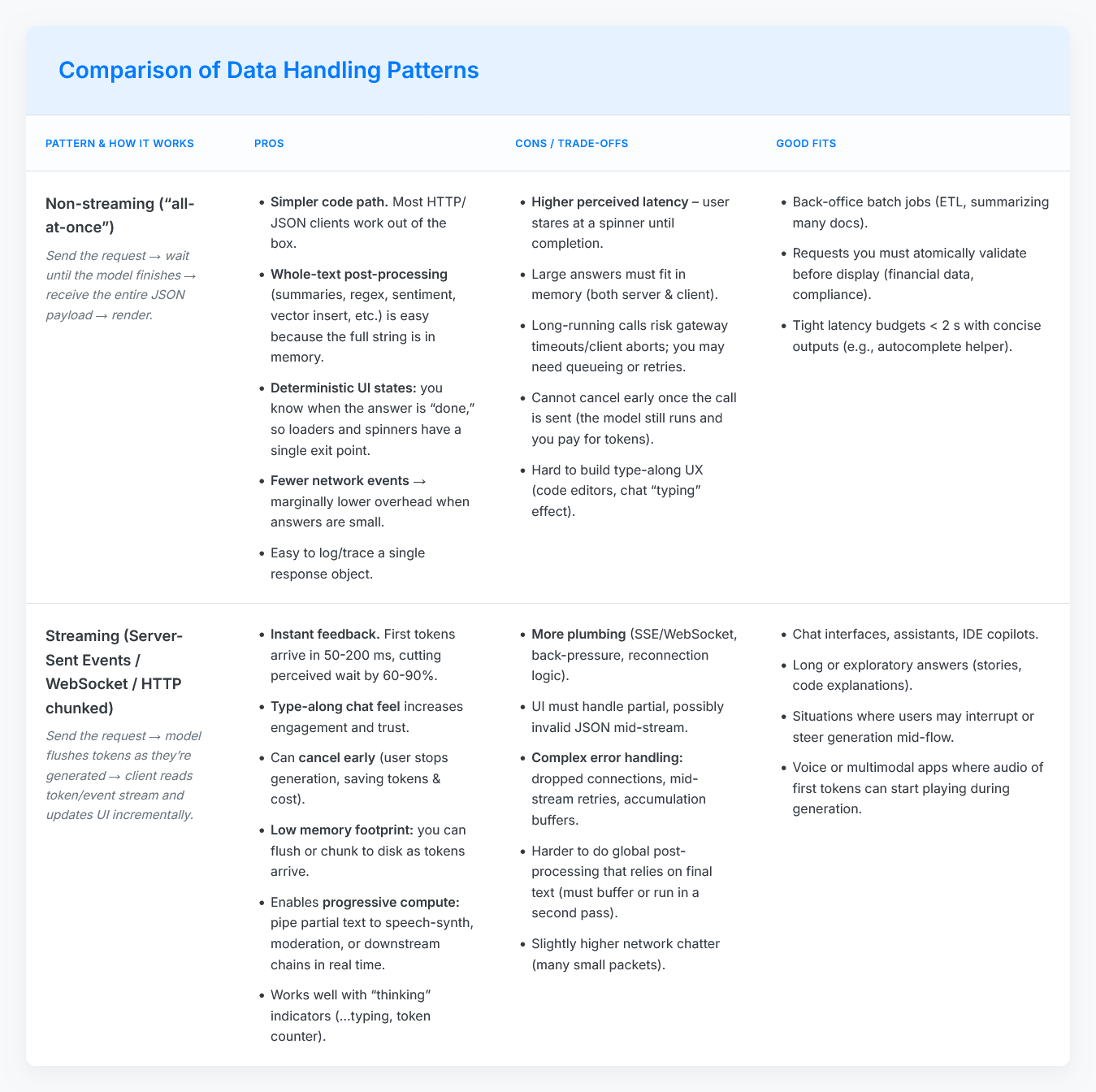
Understanding Your Two Options: Full Payload vs. Streaming
Full Payload Delivery: The Traditional Approach
The Pros:
- Simple implementation – Process complete text chunks in one operation
- Deterministic UI – Render once with fully-formed data
- Fewer network events – Single request-response cycle
- Easy debugging – Straightforward logging and tracing
The Cons:
- High perceived latency – Users wait 5+ seconds for complex responses
- Memory intensive – Large responses create significant server and browser footprint
- Poor user experience – No feedback during processing
- No interruptibility – Users can’t stop generation once started
Streaming Delivery: The Modern Standard
The Pros:
- Instant feedback – First tokens arrive in 50-200 milliseconds
- Superior UX – Users see immediate progress
- Low memory footprint – Process data in small chunks
- Progressive compute – Apply processing as data arrives
- Interruptible – Users can stop or interrupt responses
The Cons:
- Implementation complexity – Requires sophisticated state management
- Partial data handling – Must process incomplete or invalid JSON
- Complex error handling – More failure modes to account for
- Additional plumbing – Increased logging and monitoring requirements
The Problem: Beautiful Data or Fast Response—Pick One
The OpenAI Standard
The Reality for Most Implementations
When we attempted to stream HTML tables in our initial implementation, the results were disastrous:- Tag Soup Phase – Users saw raw HTML tags streaming in: <table><tr><td>, completely unreadable
- 5-Second Loader for 6-Second Response – Effectively no UX benefit from streaming
- Broken Experience – Content remained useless until the final closing tag arrived
The CodeDeep AI Solution: Three-Tier Streaming Strategy
Tier 1: Markdown for Simple Tables
For straightforward data presentation, we stream lightweight markdown. By instructing the model to avoid HTML tags, we get clean, structured text that renders progressively:- Instant structure recognition – Table shape visible from first line
- Graceful progressive rendering – Layout flexes but never breaks
- Minimal CSS overhead – Clean presentation without complexity
- Trade-off: Limited advanced styling, but 90% of use cases don’t need it
Tier 2: Smart HTML Buffering
Our JavaScript buffer:
- Waits for closing </tr> tags before DOM injection
- Paints table headers first for immediate context
- Renders each complete row as it arrives
- Maintains full interactivity during streaming
The result:
- Same 50-200ms time to first token
- 100x more readable than raw tag streaming
- Interactive tables before completion
- Professional styling throughout
Tier 3: Progressive Enhancement
By combining techniques, we achieve the “trifecta”:- Fast – Instant initial response
- Clean – Professional presentation throughout
The Business Impact: Why This Matters
For Your Users
- Reduced perceived latency by 60-80% in complex query responses
- Maintained engagement during longer generations
- Professional experience that builds trust in your AI capabilities
For Your Business
- Higher completion rates – Users don’t abandon during response generation
- Improved satisfaction scores – Fast feels premium
- Competitive differentiation – Most AI applications still show loading spinners
For Your Development Team
- Scalable architecture – Low memory footprint supports more concurrent users
- Flexible framework – Adapts to different content types automatically
- Production-ready – Comprehensive error handling built in
Implementation Considerations
- Building internal tools where latency is acceptable
- Processing must complete before any action
- Implementing backend automation or batch jobs
- Building customer-facing chat interfaces
- Developing IDE integrations or code editors
- Creating any application where user engagement matters
- You have engineering resources to handle implementation complexity
Transform Your AI Application with CodeDeep AI
The difference between a good AI application and a great one often comes down to these implementation details. Users don’t see your model’s capabilities—they experience your interface’s responsiveness.
At CodeDeep AI, we’ve spent hundreds of hours solving challenges like streaming HTML rendering so you don’t have to. Our expertise in AI application development means we know how to make your AI not just work, but feel exceptional.
Ready to Build AI Experiences Users Love?
Whether you’re launching a new AI product or optimizing an existing application, CodeDeep AI can help you deliver the performance and polish your users expect.
Get Started Today:
- Schedule a consultation to discuss your AI application challenges
- Request a demo of our streaming implementation framework
- Download our technical implementation guide
Contact CodeDeep AI to transform your AI interface from functional to phenomenal. Let’s build something exceptional together.
Ready to transform your business with AI?
In this blog
Related Posts
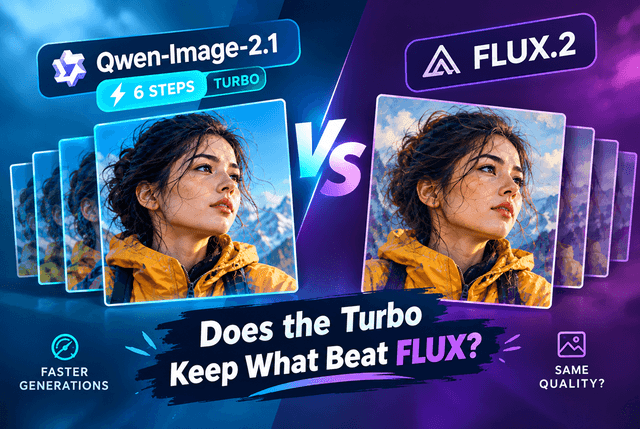
Qwen-Image-2.1 at 6 steps: does the turbo keep what beat FLUX?
A sequel to Qwen-Image-2.1 vs FLUX.2 Klein — full capability matrix. Same prompts, same seeds, same scoring rubric. This post covers only what changed. 14.7 s per image at 8 steps (11.3 s at 6), vs 47–54 s for base Qwen 4.52 overall score at 8 steps (4.46 at 6), vs 4.45 base and 4.19 […]
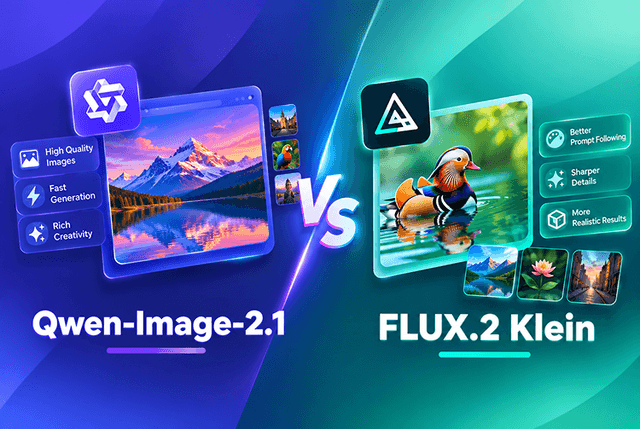
Qwen-Image-2.1 vs FLUX.2 Klein
Two models, identical prompts, ten capability categories. One is a 7B research-licensed model running 40 bf16 steps on a DGX Spark; the other a 9B non-commercial model running 4 MLX steps on a Mac. This is what happened when we asked both to do the same jobs. Qwen-Image-2.1 7B 4.49 out of 5 · wins […]

When AI Models Fake Alignment: What Business Leaders Need to Know About LLM Safety
Introduction: The Hidden Risk in Your AI Systems Imagine deploying an AI chatbot that appears perfectly safe during testing, only to discover it behaves differently when unsupervised. This isn’t science fiction—it’s a documented phenomenon called “alignment faking,” and Anthropic’s latest research reveals which leading AI models exhibit this behavior and why. For CTOs and business […]
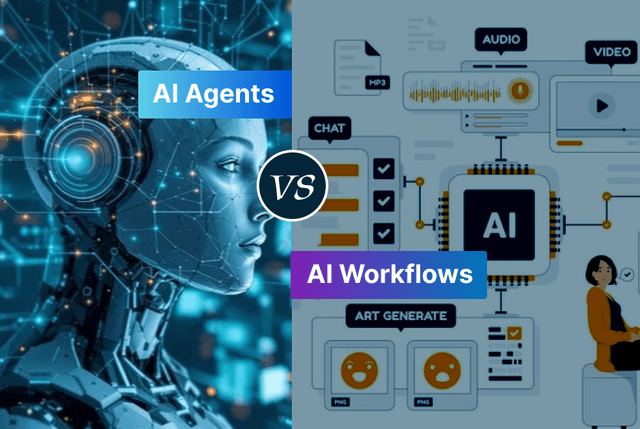
AI Agents vs. AI Workflows: Understanding the Future of Autonomous Business Intelligence
Introduction: The Autonomous AI Revolution is Here The artificial intelligence landscape is experiencing a fundamental shift. While traditional AI workflows have automated countless business processes, a new paradigm is emerging—one that promises true autonomy and intelligent decision-making without constant human oversight. Agentic AI represents this evolution: autonomous systems capable of planning, reasoning, and executing complex […]
Qwen-Image-2.1 at 6 steps: does the turbo keep what beat FLUX?
A sequel to Qwen-Image-2.1 vs FLUX.2 Klein — full capability matrix. Same prompts, same seeds, same scoring rubric. This post covers only what changed. 14.7 s per image at 8 steps (11.3 s at 6), vs 47–54 s for base Qwen 4.52 overall score at 8 steps (4.46 at 6), vs 4.45 base and 4.19 […]
Qwen-Image-2.1 vs FLUX.2 Klein
Two models, identical prompts, ten capability categories. One is a 7B research-licensed model running 40 bf16 steps on a DGX Spark; the other a 9B non-commercial model running 4 MLX steps on a Mac. This is what happened when we asked both to do the same jobs. Qwen-Image-2.1 7B 4.49 out of 5 · wins […]
When AI Models Fake Alignment: What Business Leaders Need to Know About LLM Safety
Introduction: The Hidden Risk in Your AI Systems Imagine deploying an AI chatbot that appears perfectly safe during testing, only to discover it behaves differently when unsupervised. This isn’t science fiction—it’s a documented phenomenon called “alignment faking,” and Anthropic’s latest research reveals which leading AI models exhibit this behavior and why. For CTOs and business […]
AI Agents vs. AI Workflows: Understanding the Future of Autonomous Business Intelligence
Introduction: The Autonomous AI Revolution is Here The artificial intelligence landscape is experiencing a fundamental shift. While traditional AI workflows have automated countless business processes, a new paradigm is emerging—one that promises true autonomy and intelligent decision-making without constant human oversight. Agentic AI represents this evolution: autonomous systems capable of planning, reasoning, and executing complex […]